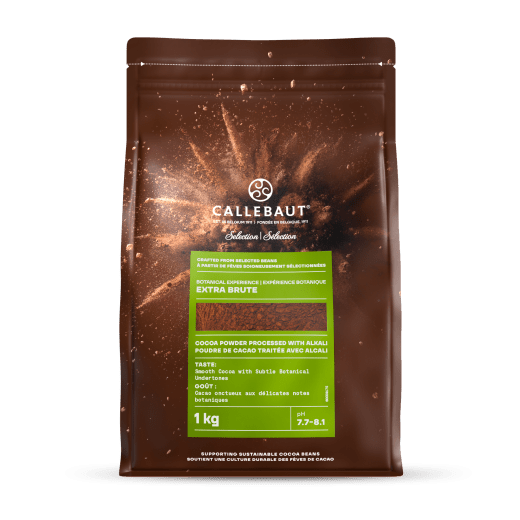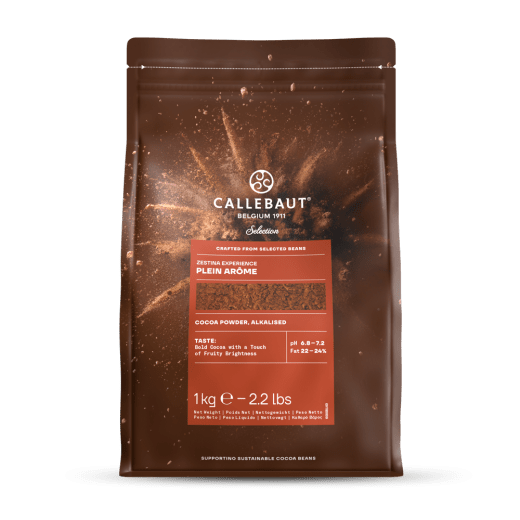

Understanding the Differences Among Cocoa Powders: Alkalinity, Part 1
This article is part one of a short series exploring alkalinity in cocoa powder.
You can find a link to the second article below.

What is Alkalinity in Cocoa Powder?
“Alkaline” is a synonym for “basic” and is a general indication of the pH level of a given solution. The pH scale ranges from 0 - 14, with 0 being very acidic and 14 being very basic. Battery acid has a pH of 0, lemon juice, 2. Water is considered neutral at 7, toothpaste clocks in at 9, and liquid drain cleaners top the scale at 14.
Cocoa powders fall between 5 and 8.4, depending on how they were processed. Natural (non-alkalised) cocoa powders fall between 5 and 6, while deep dark brown/red powders can have a pH as high as 8.4 - natural cocoa powders are more acidic. In contrast, cocoa powders that use nibs that have been “Dutched” (treated with an alkaline substance) are more basic.

How Does a Cocoa Powder’s Alkalinity Affect My Recipes?
Flavour:
Non-alkalized cocoa powders deliver a classic chocolate flavor with astringent notes due to the cocoa’s natural acidity. The flavor profile of a natural cocoa powder is influenced by roasting.
Dutched/Alkalised cocoa powders have a stronger cocoa flavor and tend to be more bitter but also less astringent. The flavor profile of an alkalised cacao powder is influenced by both the roasting and the alkalizing steps.
Colour:
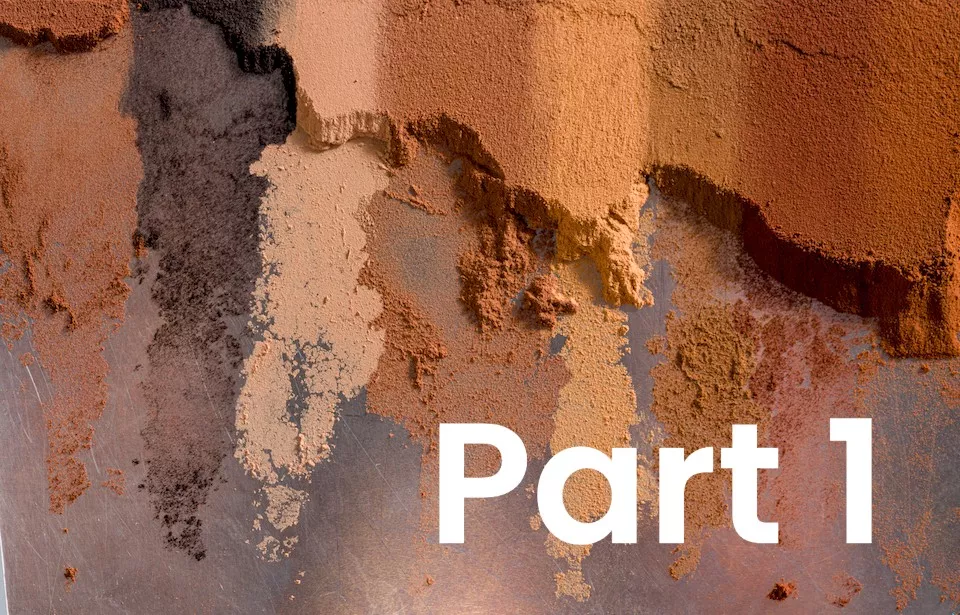
Natural cocoa powders are the lightest in color. The dark brown/red/black notes naturally present in cocoa powder deepen and darken as the alkalization becomes higher (i.e., the cocoa powder becomes more basic).
Read more about the impact of a cocoa powder's alkalinity on your recipes in the article linked to below!