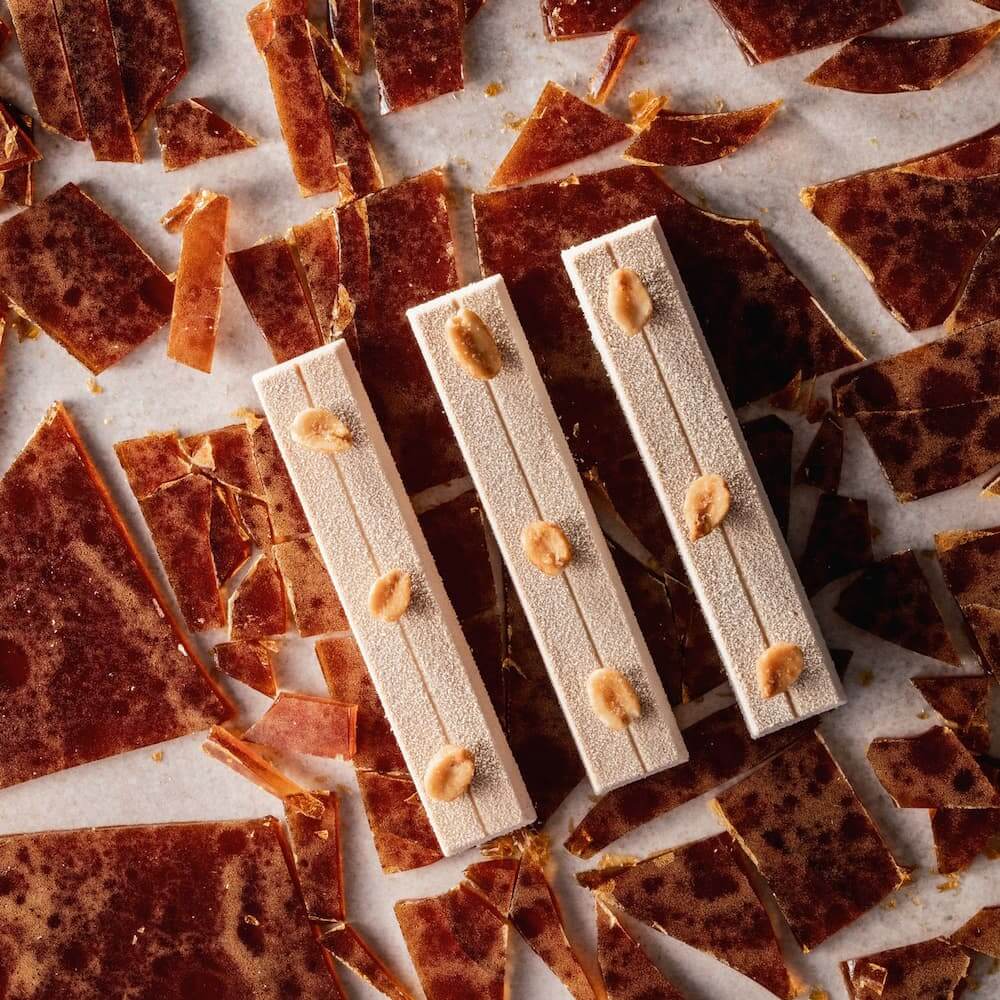
When to use Finest Belgian Chocolate in pairings?
And when do Signature Origin chocolates bring out greater taste results?
Start from the reality of refreshing your offering
Refreshing your offering is not about reinventing everything. It is about:
- updating flavour directions
- refreshing classics
- keeping the offering clear and coherent
- avoiding unnecessary risk
That is why many chefs start with Finest Belgian Chocolate when developing new pairings.

When Finest Belgian Chocolate is the best choice
Finest Belgian Chocolate recipes are designed to be:
- versatile
- tolerant in pairings
- stable across applications
They work best when you need peace of mind.
Chefs typically choose them when:
- several new pairings need to be developed at once
- flavours may still evolve during testing
- consistency across service matters
- the chocolate should support, not dominate

Dark
Maximum Pairing Flexibility
When you don't want a too intense dark chocolate taste that works with many flavour directions without surprises.
These chocolates pair easily with:
- ripe fruits with pronounced flavour but controlled acidity (pear, apricot, banana, fig)
- warm spices in moderation (cinnamon, anise, cardamom, pink pepper)
- fresh herbs in moderation (mint, rosemary, basil)
- nuts with a soft profile (almond, hazelnut)

More Cocoa Presence, Yet Working With A Wide Range Of Pairings
When you want a darker, more cocoa-forward taste experience without losing pairing tolerance. Ideal when you need more 'adult' intensity and more pronounced cocoa flavours.
These chocolates pair easily with:
- roasted notes (coffee, toasted nuts, browned butter)
- caramelised notes (caramel, toffee, dulce)
- deeper fruits (cherry, prune, black fig)
- gentle salinity (salt, miso used carefully)

Milk
The Versatile Milk Chocolate Base
When milk chocolate should add caramelly and creamy flavour notes to the pairing and keep the application appealing to a very wide audience.
Pairs easily with:
- nuts & pralines (hazelnut, almond, pistachio)
- comforting dairy notes (cream, beurre noisette)
- familiar fruits (banana, pear, apple)
- biscuits/cereals (speculoos, shortbread, toasted grains)

Milk With Extra Cocoa Depth
When you want milk chocolate with a more cocoa-driven backbone (less "pure sweetness", more depth).
Pairs best with:
- coffee, malt, toasted notes
- spices with warmth (tonka, cinnamon, cardamom)
- darker nuts (pecan, walnut)
- caramelised fruits (roasted banana, baked apple)

White
Carries Flavours With Sufficient Sweetness
When white chocolate needs to carry fruit, nuts or aromatics while staying elegant, bringing in (caramelly) sweetness and not taking over.
Pairs easily with:
- fruits (raspberry, passion fruit, mango, citrus)
- nuts (pistachio, macadamia, almond)
- aromatics (vanilla, jasmine tea, orange blossom)

Less Sweet, More Velvety Creaminess
When you want the creamy, milky impact of white chocolate but with a less sweet impression and a very smooth mouthfeel.
Pairs best with:
- subtle fruits (pear, white peach, strawberry)
- delicate florals/teas (earl grey, bergamot, chamomile)
- fresh dairy pairings (yogurt, cultured cream)

Gold
Deep Caramel And Cocoa Notes
When you want an instant caramelised signature that's indulgent but still low risk in pairing and working with many other flavours. Note: best avoid pairings with (too) sweet ingredients.
Pairs easily with:
- apple, pear, banana
- nuts (pecan, hazelnut, almond)
- coffee, vanilla, warm spices (cinnamon, cardamom)
- light salt accents

Ruby
Refreshing Fruitiness
When you want natural fruitiness + freshness in a repeatable way, without needing to "build" fruit notes from ingredients only.
These chocolates pair easily with:
- fruits that echo freshness (raspberry, strawberry, lychee, citrus zest)
- creamy dairy contrasts (yogurt, mascarpone)
- floral/herbal lifts in moderation (basil, rose, pink pepper)

These chocolates naturally work as:
- carriers
- shared leads
They give chefs room to adjust without breaking the pairing.
When chefs shift to Signature Origin chocolates
Once a pairing works reliably, a different question often comes up: ‘how can I make this more distinctive?’
This is where Signature Origin chocolates come in. They are chosen not for flexibility, but for expression.

Chefs typically shift to Signature Origins when:
- the recipe is already balanced
- chocolate should define the identity
- the creation is meant to be a hero or signature item
- they want more flavour depth and length
Signature Origin chocolates are not designed to adapt to everything.
They are designed to be recognised.
Because of that, they naturally act as:
- leading taste
- or expressive canvas
In our next blog article, we’ll deep-dive into the unique profiles of each Signature origin chocolate and how to use them best.
-

Key takeaway
Finest Belgian Chocolate helps you move fast and safely. Signature Origin chocolates help you go further in taste. Knowing when to use each is the key to refreshing your offering with more confidence and control.